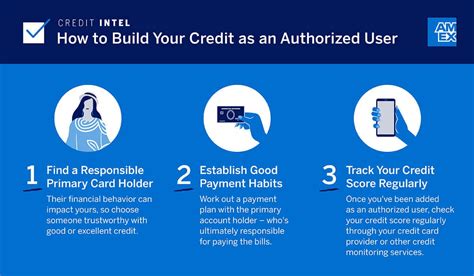
https://tech.videy.love – So, you’re thinking about buying a house, and that’s super exciting! One of the big hurdles is, of course, getting a mortgage, and that means your credit score is a huge deal. You might have heard that becoming an authorized user on someone else’s credit card can help boost your credit. It sounds like a neat trick, right? But does it really help when it comes to qualifying for a mortgage? Let’s dive in and figure this out together!
The short answer is: maybe, but it’s definitely not as straightforward as you might think, especially when lenders are looking at your mortgage application. While being an authorized user can, in some cases, help improve your credit score, lenders scrutinize this practice very carefully for mortgages. They want to see your independent credit history and your ability to manage debt on your own.
What Exactly is an Authorized User?
Let’s break down what being an authorized user means first. When someone adds you as an authorized user to their credit card account, they’re essentially letting you have a card that’s linked to their primary account. This means you can make purchases using that card, and those transactions will show up on the primary cardholder’s statement. It’s like getting a free pass to use their credit line.
The key thing here is that the primary cardholder is ultimately responsible for all the charges made on the account, including any you make. Your name might be on the card, but the legal and financial obligation rests with the person who originally opened the account. This is a really important distinction to keep in mind as we go further.
How Being an Authorized User Can (Potentially) Help Your Credit Score
When you’re added as an authorized user, the credit history of that account can start appearing on your own credit report. If the primary cardholder has a long history of making on-time payments and keeps their credit utilization low, this positive activity can reflect well on your credit report. This can, in turn, help to increase your credit score. Think of it as borrowing some of their good credit karma!
This is where the “base verb rule” in grammar comes in handy for understanding concepts – we use the base verb when talking about how things *do* or *do not* happen. Similarly, the reporting of this positive history is what *does* or *does not* help your score. If the primary account has a history of late payments or maxed-out balances, however, that negative information can also appear on your report and hurt your score. So, it’s a double-edged sword depending on the primary account’s health.
The Impact on Your Credit Report
Your credit report will show the account, its age, the credit limit, and the payment history. A long, well-managed account with a high credit limit and low utilization is generally seen as a positive factor. Lenders like to see that you have access to credit and that it’s being managed responsibly, even if it’s not your primary account. It can demonstrate a pattern of good financial behavior.
However, it’s not the same as having a credit card in your own name. The credit bureaus are smart, and they can sometimes flag accounts that appear solely because someone was added as an authorized user, especially if there’s no other significant credit activity in your name. This is where the distinction between “do” and “does” in grammar is relevant – how you phrase things matters, and how credit bureaus interpret data matters even more.
Why Lenders Are Cautious About Authorized User Accounts for Mortgages
Mortgage lenders are a whole different ballgame compared to credit card companies. They’re looking at your ability to handle a significant, long-term debt, which is a mortgage. Because the authorized user account isn’t legally yours and you aren’t directly responsible for its payments, lenders may view its impact on your credit score with skepticism. They can’t be absolutely sure that the positive history is a reflection of *your* financial habits.
They’re primarily interested in your own credit management. Your ability to obtain and manage credit independently is a much stronger indicator of your reliability as a borrower for such a large loan. They want to see that you’ve built your credit history through your own applications and responsible usage, not by piggybacking on someone else’s.
The “Do/Does vs. Am/Is/Are” Analogy
Think about the difference between “Does she have a good credit history?” and “Is she responsible for the debt?” The first question is about what’s reported; the second is about legal and practical responsibility. For a mortgage, lenders are more concerned with the latter. They need to be confident that *you are* responsible for your debts, not just that you *do* benefit from someone else’s good credit.
Similarly, while an authorized user account *does* appear on your report, the question of whether you *are* solely responsible for it is what lenders grapple with. The credit bureaus might consider it, but the mortgage underwriter has the final say on how much weight to give it, and they often give it less weight than your own established credit accounts.
Specific Lender Policies Matter
Here’s a crucial point: every mortgage lender has its own set of underwriting guidelines. Some lenders might be more lenient and accept authorized user history as part of your overall credit profile, especially if it’s a long-standing, well-managed account and you have other positive credit factors. Others might be much stricter and discount or entirely disregard authorized user accounts when assessing your creditworthiness for a mortgage.
It’s always best to speak directly with a mortgage broker or lender early in the process. They can tell you exactly how they view authorized user accounts and what their specific requirements are. Don’t assume – ask! This is one of those common mistakes beginners often make when trying to get a mortgage; they don’t ask the right questions upfront.
When it Might Still Be Beneficial
Despite the caution, there are situations where being an authorized user could still provide some benefit, particularly if you have a very limited credit history. If you’re young and haven’t had much time to build your own credit, an authorized user account with a good track record can help you establish *some* positive credit history. This might be enough to get your foot in the door with certain lenders or to show a baseline of responsible behavior.
This can be especially true if you’re looking at loan programs designed for first-time homebuyers or those with less-than-perfect credit. These programs might have slightly different criteria, and a positively reported authorized user account could be a small piece of the puzzle that helps you qualify. It’s often about demonstrating that you *do* have some positive credit activity, even if it’s not entirely your own.
Building Your Own Credit is Key for Mortgages
Ultimately, for a strong mortgage application, building your own credit history is far more important and reliable than relying on being an authorized user. Lenders want to see that you can independently manage credit. This means opening your own credit accounts, like credit cards or installment loans, and using them responsibly by making all payments on time and keeping balances low.
Focusing on your own credit building shows lenders your true financial picture and your capacity to handle significant debt. It’s a direct reflection of your financial habits and your ability to repay loans, which is precisely what they’re looking for when they approve a mortgage. It’s not just about the score; it’s about the underlying behavior the score represents.
Tips for Building Your Own Credit
So, how do you build your own credit effectively? Start small! Consider getting a secured credit card, where you put down a deposit that becomes your credit limit. Use it for small, everyday purchases and pay it off in full every month. Another option is a credit-builder loan, where you make payments on a small loan that’s held in an account, and then you get the money back at the end of the term.
The goal is to create a positive payment history on accounts that are solely in your name. This is the most credible way to demonstrate your financial responsibility to mortgage lenders. The longer and more consistent your positive history, the better your chances of getting approved for a mortgage with favorable terms.
The Final Verdict: Authorized User for Mortgage Qualification
To wrap things up, while being an authorized user can contribute to your credit score in some ways, it’s generally not a guaranteed or primary strategy for securing a mortgage. Lenders prefer to see your own established credit history. Think of it as a potential supplement, not a substitute, for building your own solid credit profile.
If you’re aiming for a mortgage, your best bet is to focus on building your own credit history through responsible management of credit cards and loans in your name. This will give you the strongest foundation and the highest chance of approval with the best possible interest rates. Don’t get caught up in the “do” and “does” of credit reporting alone; focus on the “are you” of financial responsibility!
Can a Credit Report Reflect Authorized User History?
Yes, absolutely! Credit bureaus can and often do report authorized user accounts on your credit report. This is how the potential benefit arises in the first place. The account’s payment history, age, and utilization can all be listed.
However, as we’ve discussed, the impact and acceptance of this information by mortgage lenders can vary significantly. They’re looking for more than just a number; they’re looking for a consistent pattern of your own financial management.
Is it Better to Be an Authorized User or Have Your Own Credit Card for a Mortgage?
Having your own credit card with a positive payment history is always better for mortgage qualification. It demonstrates your direct responsibility and management of credit. An authorized user account can be a helpful addition if your own credit history is very thin, but it’s rarely as impactful as your own independently managed credit lines.
The more you can show lenders that *you are* managing your own financial obligations, the stronger your mortgage application will be. This direct responsibility is highly valued by underwriters. Therefore, prioritize opening and managing your own credit accounts for the best mortgage outcomes.
What if the Primary Cardholder Misses Payments?
This is a major risk! If the primary cardholder misses payments or carries high balances, that negative information will also show up on your credit report as an authorized user. This can significantly damage your credit score and make it much harder to qualify for a mortgage. You have no control over their payment habits, making this a precarious situation.
This is a prime example of why relying on someone else’s credit history for something as significant as a mortgage is so risky. Your financial future could be jeopardized by decisions made by another person, even if you’ve done nothing wrong yourself. It’s essential to understand this risk before agreeing to be an authorized user.
Can I Use an Authorized User Account to Qualify if I Have No Other Credit?
In some very specific circumstances, and with certain lenders or programs, a well-managed authorized user account might help you establish a minimal credit presence if you have absolutely no other credit history. This is more likely to be a stepping stone than a complete solution.
However, it’s still highly advisable to work on building your own credit simultaneously. Lenders will look more favorably on an application where you demonstrate independent credit management, even if it’s just starting out with a secured card or credit-builder loan. Don’t just rely on the authorized user status; aim to build your own positive credit report.
In conclusion, while being an authorized user *can* show up on your credit report, its impact on mortgage approvals is uncertain and often limited. The most reliable path to a mortgage is through building and maintaining your own strong credit history. So, while it might offer a little boost, don’t let it be your main strategy for homeownership dreams!
Written by: David Thomas
