https://tech.videy.love – So, you’re looking to build your credit score from zero, and you’ve heard that secured credit cards are a great way to do it. That’s awesome! It’s totally possible to get started on the right financial foot, and a secured card can be your best friend in this journey. But you’re probably wondering, “Just how fast does a secured credit card actually build credit from scratch?” It’s a super common question, and the honest answer is: it depends, but with consistent good habits, you can see progress fairly quickly.
Think of your credit score like a report card for how well you handle borrowed money. Lenders and other companies look at it to decide if they can trust you with loans, apartments, or even some jobs. Starting from scratch means you don’t have much of a history, so you’ve gotta build that track record from the ground up.
Understanding How Credit Scores Work
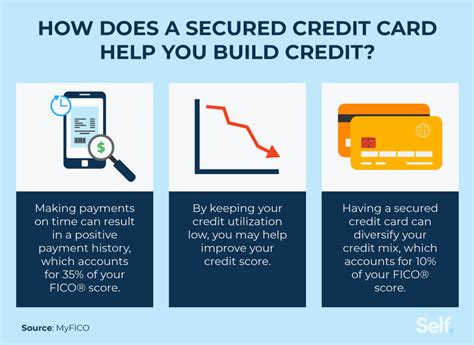
Before we dive into the speed, let’s get a basic handle on what makes up your credit score. The most common scoring model is FICO. It looks at several key factors. Payment history is the biggest one, making up about 35% of your score. This means paying your bills on time, every single time, is super important. Seriously, don’t miss payments!
Next up is credit utilization, which is how much of your available credit you’re using. Aim to keep this low, ideally below 30%, but even better if it’s below 10%. This accounts for about 30% of your score. Then there’s the length of your credit history (15%), credit mix (10% – having different types of credit like cards and loans), and new credit (10%).
What is a Secured Credit Card, Anyway?
Okay, so what exactly is a secured credit card? It’s different from a regular (unsecured) credit card because it requires you to put down a security deposit. This deposit usually acts as your credit limit. So, if you put down $300, your credit limit will likely be $300. It’s basically collateral for the credit card company, which is why they’re much easier to get approved for, even if you have no credit history or a less-than-perfect one.
This deposit significantly reduces the risk for the issuer. Because they have your money on hand, they’re more willing to extend credit to someone who is just starting out. It’s a win-win: you get a tool to build credit, and they have a safety net.
The Timeline: When Do You Start Seeing Results?
Now, to the million-dollar question: how fast can you see your credit score start moving? Generally, you’ll begin to see positive activity reported to the credit bureaus (like Equifax, Experian, and TransUnion) within your first one to two billing cycles after you open the account and start using it. This is when the card issuer reports your payment activity for that month.
However, seeing activity reported and seeing a significant jump in your credit score are two different things. For a noticeable improvement in your credit score, you’re typically looking at a timeframe of about three to six months of consistent, responsible use. This means making on-time payments and keeping your credit utilization low.
Building a Solid Payment History
The absolute most crucial factor is your payment history. If you use your secured card responsibly and pay your balance in full and on time each month, this positive behavior will be reported to the credit bureaus. This consistency is key to building a strong foundation for your credit. Even a single missed payment can significantly damage your score, so set up reminders or auto-pay if you need to.
Paying your statement balance in full every month also helps with credit utilization, which we’ll touch on next. It shows lenders you’re not overextended and can manage your finances effectively. This habit is fundamental to credit building, no matter what type of credit you’re using.
Managing Credit Utilization
Credit utilization is your second-biggest influencer. Let’s say your secured card has a $300 limit. If you spend $250 on it in a month, you’re using about 83% of your available credit. That’s really high and will hurt your score. Instead, try to keep your spending well below that limit. For that $300 limit, aim to keep your balance below $90 (30% utilization) or even better, below $30 (10% utilization).
You can manage this by making multiple smaller payments throughout the month instead of one big payment at the end. This way, your reported balance to the credit bureaus is lower when they check. It shows you’re using credit but not relying on it heavily, which is a sign of financial health. This strategy is super effective for boosting your score quickly.
The Role of Time and Consistency
While you can start seeing your score move within a few months, building a truly robust credit score takes time. The longer you have a positive credit history, the better. Your credit utilization ratio is also affected by the total amount of credit you have available. As you build good habits, you might eventually qualify for an unsecured card or a credit limit increase on your secured card, which can further improve your utilization ratio.
Consistency is your mantra here. It’s not about one great month; it’s about proving over and over that you’re a reliable borrower. Think of it like training for a marathon – you don’t get to the finish line overnight. It requires consistent effort and smart choices week after week, month after month.
When Can You Transition to an Unsecured Card?
Most secured credit card issuers will review your account periodically, usually after 6 to 12 months of responsible use. If you’ve consistently paid on time and managed your spending well, they might offer to upgrade you to an unsecured card and refund your security deposit. This is a fantastic milestone!
Alternatively, you might want to apply for a different unsecured card once you’ve established a good credit history for about a year. The exact timing depends on the card issuer’s policies and your personal credit behavior. It’s a testament to your improved financial habits!
Tips for Faster Credit Building with a Secured Card
To really speed things up, there are a few extra things you can do. Firstly, always aim to pay more than the minimum payment due. If you can, pay the full statement balance. This keeps your credit utilization low and demonstrates strong financial management.
Secondly, consider asking for a credit limit increase on your secured card after several months of good standing. Some issuers allow this without requiring an additional deposit. A higher credit limit, even if you spend the same amount, will lower your credit utilization ratio, which is great for your score. It’s like getting a bigger safety net!
Common Pitfalls to Avoid
The biggest pitfall, hands down, is missing payments. This can undo months of hard work in an instant. Another mistake is maxing out your card. Remember, high credit utilization is a big red flag for lenders. You’re building credit, not trying to spend as much as possible.
Don’t open too many new credit accounts at once, either. Each application can cause a small dip in your score, and opening multiple accounts in a short period can look risky. Stick with your secured card and focus on using it well before considering other credit products.
The Bottom Line: Patience and Persistence
So, how fast does a secured credit card build credit from scratch? You can see reported activity within 1-2 months and noticeable score improvements within 3-6 months of consistent, responsible use. However, building a truly excellent credit score is a marathon, not a sprint, and requires ongoing diligence. By making on-time payments, keeping utilization low, and being patient, you’ll be well on your way to a strong credit future.
Your secured credit card is a powerful tool. Use it wisely, be consistent with your payments, and you’ll see your credit score climb steadily. It’s all about building that positive financial history, one on-time payment at a time. You’ve got this!
Frequently Asked Questions (FAQ)
Written by: Emma Johnson
