https://tech.videy.love – So, you’ve got one credit card, but you’re running a business on the side, or maybe you’re a freelancer juggling personal and professional life. It’s super common to want to keep things tidy, and separating personal and business expenses, even when using the same card, is totally doable. It might seem like a headache at first, but trust me, it’s worth the effort to keep your financial life organized.
We’ll dive into some super practical ways you can manage this, making sure you stay on top of your spending and avoid any accounting nightmares down the road. Plus, it’s a great way to get a clearer picture of your business’s profitability and your personal spending habits.
Why is Separating Expenses So Important?
First things first, let’s chat about why this is such a big deal. The main reason is clarity. When you mix everything together, it’s really tough to see exactly where your business money is going and how much profit you’re actually making. This makes tax season a whole lot scarier, too.
Imagine trying to explain a mixed bag of receipts to your accountant when they ask for your business expenses. It’s a recipe for confusion and potential trouble. Keeping them separate makes audits smoother and helps you claim all the right deductions. It’s about protecting yourself and making smart financial decisions.
Tax Time Superpowers
This is a huge one for business owners. When your expenses are clearly segregated, you can easily identify all the deductible business costs. Think about everything from office supplies and software subscriptions to travel and client meals. You don’t want to miss out on legitimate tax savings.
Mixing personal purchases, like your morning coffee or new shoes, with business expenses can lead to accidentally deducting things you shouldn’t. This can result in penalties and interest if the tax authorities catch it. So, a clear separation is like giving yourself a superpower against tax season stress.
Understanding Your Business Performance
Beyond taxes, knowing your true business expenses helps you understand your business’s financial health. Are you pricing your services or products correctly? Are your overhead costs creeping up too high? Without a clear breakdown, you’re essentially flying blind.
This insight allows you to make informed decisions about where to cut costs, where to invest more, and how to price your offerings competitively. It’s all about giving your business the best chance to succeed and grow. You want to see those profit margins, right?
Practical Strategies for Separation
Okay, so you’re convinced. But how do you actually *do* it, especially when you’re using just one card? Don’t worry, there are several straightforward methods you can implement right away.
The key is to be disciplined and consistent. Once you get into a routine, it becomes second nature. Let’s explore some of the most effective ways to keep those personal and business transactions distinct.
The Power of Dedicated Accounts (Even on One Card)
While we’re talking about *one* credit card, the principle of dedicated accounts still applies. Think of it like having two mental “buckets” for your spending. The easiest way to do this is to get a second credit card, ideally one that offers rewards for business spending. However, if you’re sticking to one card, you need to be extra diligent.
The core idea is to *mentally* or *digitally* earmark every transaction. When you swipe that card, you need to know *instantly* whether it’s for your business or your personal life. This requires a bit of mindfulness with every purchase.
Meticulous Record-Keeping is Your Best Friend
This is non-negotiable. No matter which method you choose, good record-keeping is your ultimate safety net. You need a system to track every single transaction made on that card.
This could be a simple spreadsheet, a dedicated accounting app, or even a good old-fashioned notebook. The important thing is that it’s detailed and you update it regularly, ideally daily. Don’t let those receipts pile up!
Spreadsheet Sorcery
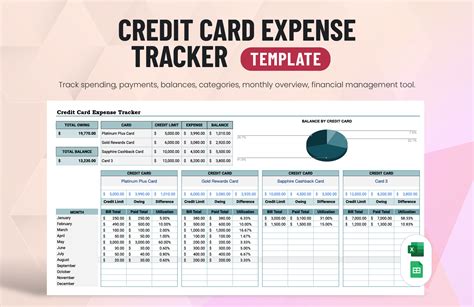
A spreadsheet is a classic for a reason. You can create columns for the date, merchant, amount, a description, and crucially, a category: “Personal” or “Business.” When you get your statement, go through each transaction and assign it to the correct column.
You can even add subcategories within “Business” (like “Marketing,” “Supplies,” “Travel”) to get even more granular insights. This makes generating reports for tax purposes or business analysis a breeze. It’s a bit of manual work, but incredibly effective.
Leveraging Accounting Software
If spreadsheets feel a bit too old-school for you, or if your business is growing, accounting software is a game-changer. Many platforms allow you to link your credit card directly. They then import your transactions automatically.
From there, you can categorize each transaction within the software. Some software even learns your habits and can auto-categorize recurring expenses. This significantly reduces manual entry and keeps everything neatly organized in one place.
The “One-Off” Purchase Rule
Sometimes, a purchase might seem like it falls into a gray area. For example, you might buy a new laptop that you use for both personal and business tasks. In these situations, you need a clear rule.
A good approach is to assign the expense to the category that represents its primary use. If 80% of your laptop use is for business, then categorize it as a business expense. Be honest with yourself here – it’s not about bending the rules, but about practical allocation.
Regular Reconciliation: The Final Check
Once a month, when you receive your credit card statement, dedicate time to reconcile your records. Compare your internal tracking (spreadsheet, app) against the official statement. This is where you catch any errors or missed transactions.
This reconciliation process is also a great time to review your spending. Are there any personal expenses creeping into your business category? Or vice versa? It’s your chance to course-correct before any issues compound.
When to Consider a Separate Business Card
While the methods above are fantastic for managing expenses on a single card, there comes a point where getting a dedicated business credit card is a much better idea. If your business is growing, or if you’re making a significant number of business transactions, this separation becomes even more crucial.
A separate business card offers a clear, legal distinction between your personal and business finances. It simplifies bookkeeping dramatically and often comes with benefits tailored for businesses, like higher credit limits or specific rewards programs. It’s an investment in your business’s financial hygiene and potential growth.
Legal and Liability Protection
For many business structures, like LLCs or corporations, keeping personal and business finances separate is not just good practice – it’s a legal requirement to maintain limited liability protection. If your business incurs debt or faces legal action, commingling funds could put your personal assets at risk.
A dedicated business card is a strong step in demonstrating that your business is a distinct entity from you personally. This is crucial for protecting your personal home, savings, and other assets from business liabilities. It’s a layer of defense you don’t want to skip as your business matures.
Streamlining Operations and Rewards
Business credit cards are often designed with business owners in mind. They might offer higher credit limits, which can be essential for managing larger business expenses or cash flow. Plus, the rewards programs are often more beneficial for business spending, such as cashback on office supplies, travel, or advertising.
Imagine earning rewards that directly benefit your business operations! Many business cards also come with tools for employee spending, expense tracking reports, and integration with accounting software, making your life as a business owner significantly easier. It’s about working smarter, not harder.
Conclusion: Take Control of Your Finances
Separating personal and business expenses, even on a single credit card, is entirely achievable with the right strategies and discipline. It’s an essential step for any freelancer, solopreneur, or small business owner looking to maintain financial clarity, simplify tax preparation, and make informed business decisions.
By implementing meticulous record-keeping, using digital tools, and maintaining consistent habits, you can effectively manage your finances. And as your business grows, consider the significant advantages a dedicated business credit card can offer for legal protection and operational efficiency. Your future, less-stressed self will thank you!
Frequently Asked Questions (FAQ)
Q1: Is it illegal to use one credit card for personal and business expenses?
A1: While not always strictly illegal, it’s highly discouraged and can lead to significant problems, especially for tax purposes and legal liability protection if you have a formally structured business (like an LLC or corporation). Commingling funds can jeopardize your limited liability status.
Q2: How can I easily track expenses if I’m using one card?
A2: The best methods involve diligent record-keeping. Use a spreadsheet to log every transaction, categorizing it as ‘Personal’ or ‘Business.’ Alternatively, leverage accounting software that can link to your card and allow for easy categorization of imported transactions. Review your statement carefully each month.
Q3: What if I make a mistake and use my business funds for personal reasons?
A3: If you realize you’ve made a personal purchase with what should be business funds, the best practice is to immediately reimburse your business from your personal account. Document this reimbursement clearly. For tax purposes, it’s better to have made a mistake and corrected it than to have mixed funds without correction.
Q4: Can I use rewards earned on a personal card for business expenses?
A4: You can certainly use the *rewards* from a personal card for anything you wish, including investing back into your business. However, the *transactions* themselves still need to be clearly separated. If you’re using a personal card for business, be meticulous with tracking and categorizing those specific business-related charges.
Q5: When should I definitely get a separate business credit card?
A5: You should strongly consider a separate business credit card if you have a formal business structure (LLC, S-Corp, C-Corp), if your business expenses are becoming significant, if you need higher credit limits for business operations, or if you want to simplify your bookkeeping and tax filing processes significantly.
Written by: Emily Taylor
